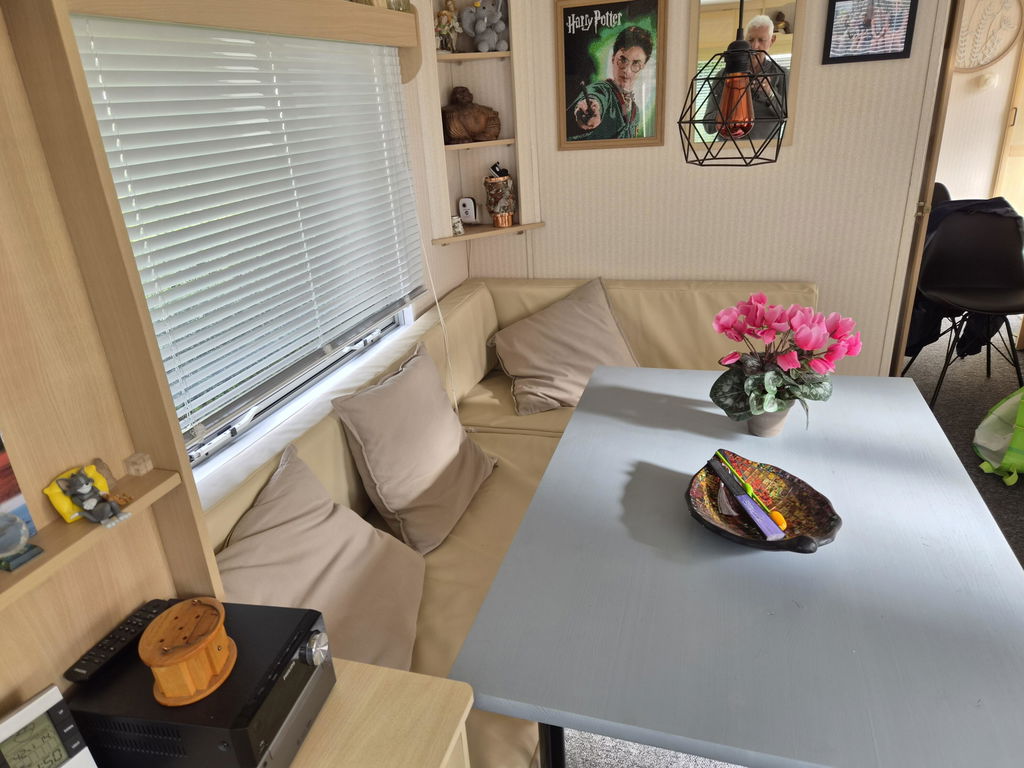

Choosing faux leather for boat upholstery
Moisture, UV exposure, temperature changes and maintenance are important considerations for boat cushions. For exterior areas, only use faux leather whose technical specifications support the intended application.
Important properties
Check UV resistance, abrasion resistance, flexibility, backing and the manufacturer’s stated resistance to moisture and cleaning agents. A water-repellent or closed surface does not make an entire cushion waterproof: seams, zips and fastening points can still allow moisture through.
Cushion construction
For outdoor cushions, the foam, underside and ventilation must also suit the application. The construction should allow moisture to dry or drain where possible. In damp or salty environments, use corrosion-resistant fasteners where compatible with the construction.
Upholstery
Allow for material direction, seam allowances, curves and any piping. Tension faux leather evenly and avoid unnecessary perforations. For sewn sections, suitable needle, thread and stitch length are important.
Care
Regularly remove salt, sand, dirt and residues such as sunscreen in accordance with the care instructions for the specific quality. Avoid harsh solvents and abrasive products unless expressly approved. Allow damp cushions to dry fully before longer-term storage and provide ventilation.
A sample helps you assess colour, surface texture and flexibility before upholstery work begins.