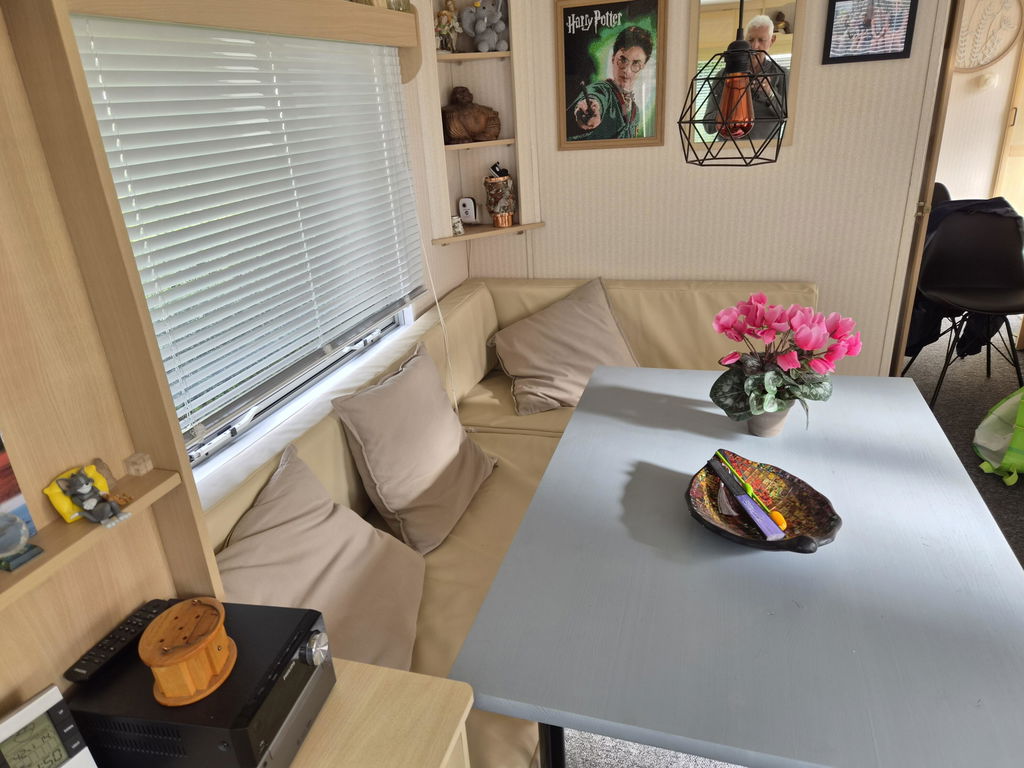

A chair in a hotel room, a sofa in a waiting area or a seating corner in a restaurant has to endure far more than a piece of furniture at home. That's why a good guide to project upholstery doesn't start with colour, but with use, load and maintenance. Getting that foundation right prevents premature wear, loose seams and an interior that loses its appeal after a short time.
Project upholstery calls for a different approach than reupholstering a single armchair. Several parties often work on the same project, there's a schedule to meet, and materials need to be consistent per roll, colour and quality. With clear preparation you choose more purposefully and work faster – from the first fabric sample to the final check.
1. Map out how each piece of furniture is used
First look at the space, not just the furniture. A dining chair in a busy restaurant is loaded differently than a decorative chair in a meeting room. Users make a difference too: pets, children, guests with suitcases or visitors coming and going daily call for a stronger upholstery than a rarely used lounge area.
Note for each furniture type how intensively it's used, whether food and drink come nearby, and how often it needs cleaning. Also think about its position in the room. Fabrics next to a window are exposed to sunlight, while seating near an entrance more often picks up dirt, moisture and friction.
In project interiors, it's wise to distinguish between seats, backrests, outer sides and decorative cushions. A luxurious velvet, for example, can work beautifully on a back cushion or wall panel, but for a heavily used seat a strong woven upholstery fabric or a suitable faux leather may be more practical.
2. Choose material based on performance, not just looks
A fabric needs to match the atmosphere, but also everyday practice. Always ask about properties such as abrasion resistance, pilling, colour fastness, cleanability and any water-repellent or pet-friendly finish. These characteristics say more about suitability for a project than an attractive product photo alone.
Woven upholstery fabrics are popular for their rich texture and wide choice of colours. Chenille feels soft and adds comfort, while bouclé adds a distinct, modern texture. Ribbed fabric can give a warm, characterful effect, but with ribbed qualities pay attention to the direction of the pile or rib. It needs to run consistently across all visible parts.
Faux leather and skai are often a logical choice for hospitality, care settings, motorhome interiors or waiting areas where easy cleaning matters a lot. However, not every faux leather quality is the same. Check the stretch, top layer, thickness and recommended use. A material that works well on a flat panel isn't automatically ideal for a deeply buttoned sofa.
Also take into account fire-safety requirements that may apply to a project or location. These requirements differ by country, building type and client. Have the required standard confirmed in writing beforehand, then choose a material whose documentation matches those requirements. Replacing a fabric afterwards because the right data is missing costs time and money.
3. Order samples and assess them in the real space
A colour on a screen is a starting point, not a final decision. Order fabric samples and place them in the space where the furniture will stand. View them in daylight, artificial light and evening light. Beige, grey, green and blue in particular can look surprisingly different under different lighting.
At the same time, feel how the fabric feels and see how the texture reacts when you run your hand over it. Pile fabrics such as velvet can show a colour difference depending on the nap direction. That's a normal optical effect, but it does need to suit the desired look. For larger projects, a trial upholstery on one piece of furniture or panel is often the safest choice.
Also place the chosen sample next to floors, wall finishes, wood, metal and existing furniture. Project upholstery is rarely an isolated element. It's precisely the combination of materials that determines whether an interior feels calm, warm, luxurious or businesslike.
4. Measure carefully and allow for enough cutting loss
An incorrect metre calculation can bring a schedule to a halt, especially when a specific colour is temporarily unavailable. Measure all parts of the furniture separately: seat, back, arms, side panels, front panels, cushions and any piping. Also take height and depth into account, not just the visible width.
The amount needed depends heavily on fabric width, pattern and construction. A plain fabric generally results in less waste than a large check, stripe or design that needs to line up precisely. With patterns you need extra length to align repeats. A pile or ribbed fabric is also always worked in one direction, which can limit smart nesting.
Reserve material for test pieces, any repairs and future expansion. For batch work, it's wise to order all the fabric from the same production run. Slight colour differences between runs are possible with textiles, even within the same colour name.
5. Check the construction before you upholster
New upholstery doesn't improve a worn-out frame. So first check the frame, joints, springing, webbing and foam filling. A creaking chair, sagging no-sag springing or crumbly foam needs repair before the fabric goes on.
For intensive use, foam quality is an important investment. Foam that's too soft loses its shape faster, while foam that's too firm reduces seating comfort. The right choice depends on the application, cushion thickness and the desired feel. A layer of dacron over foam often gives a softer, fuller look and helps prevent sharp edges showing through the fabric.
Replace webbing, springs, screws and fixings where needed. This is the moment that decides whether an upholstery project becomes durable or only looks good temporarily. On furniture with removable cushions, also check zips, Velcro and cushion covers for sturdiness.
6. Work in a fixed order with professional materials
A neat finish comes from preparation, not from pulling harder on the last corner. First carefully remove the old upholstery. Take photos during disassembly, number loose parts and keep old pattern pieces as a reference. This prevents confusion on complex chairs, sofas and wall panels.
Then apply any underlying padding, foam, dacron and new upholstery step by step. Stretch the fabric evenly from the centre outward. Keep checking the pattern line, nap direction and symmetry as you go. Stapling too quickly can lead to crooked seams or creases that are barely correctable later.
Use glue that suits the foam, wood or chosen surface, and choose staples of the right length for the frame. Staples that are too short don't give enough grip, while staples that are too long can come through the wood or cause damage. For visible edges, piping, decorative nails or furniture trim give a neat finish, provided they're applied straight and consistently.
7. Plan logistics, stock and execution in advance
In project upholstery, material availability is just as important as material choice. Before starting, draw up a complete parts list with fabric, faux leather, foam, dacron, glue, thread, piping, staples and any legs or fittings. Rather order enough in one go than have to wait during assembly for a small but essential part.
For larger jobs, work with clear labels per piece of furniture, room and fabric colour. This prevents cushions from different models being swapped or the wrong colour ending up in the wrong zone. Also plan enough time for acclimatising, cutting, sewing, upholstering and final checks.
For commercial projects, it can pay off to keep a small extra stock of the chosen fabric. This makes a later repair or extension easier. For a timeless interior, this is often more valuable than saving on the last half metre.
8. Carry out a final check that goes beyond looks
Go over every piece of furniture before it's placed. Check the fabric tension, the firmness of the staples, the finish of the seams and the operation of zips or moving parts. Sit on the seat, press on the arms and check that the furniture stands stable. A loose corner or small crease is quick to fix in the workshop, but often trickier on site.
Also give the end user practical care instructions. Regular vacuuming with a soft furniture attachment helps keep dirt out of the fibres. React quickly to stains and always test a cleaning product first on an inconspicuous spot. Avoid aggressive products when the manufacturer advises against it, especially with faux leather and fabrics with a special coating.
Project upholstery guide: quality lies in the preparation
The best result comes when look, comfort and technical requirements come together. A strong fabric alone isn't enough if the filling is worn out, and a perfect frame doesn't deserve material that doesn't suit its use. So take the time for samples, measurements and realistic material planning.
If you're torn between two qualities, don't automatically choose the prettiest option on the sample. Choose the fabric that still looks good after hundreds of sitting moments, cleanings and busy working days. With the right materials and a careful approach, you build furniture that convinces not just on delivery, but long after.