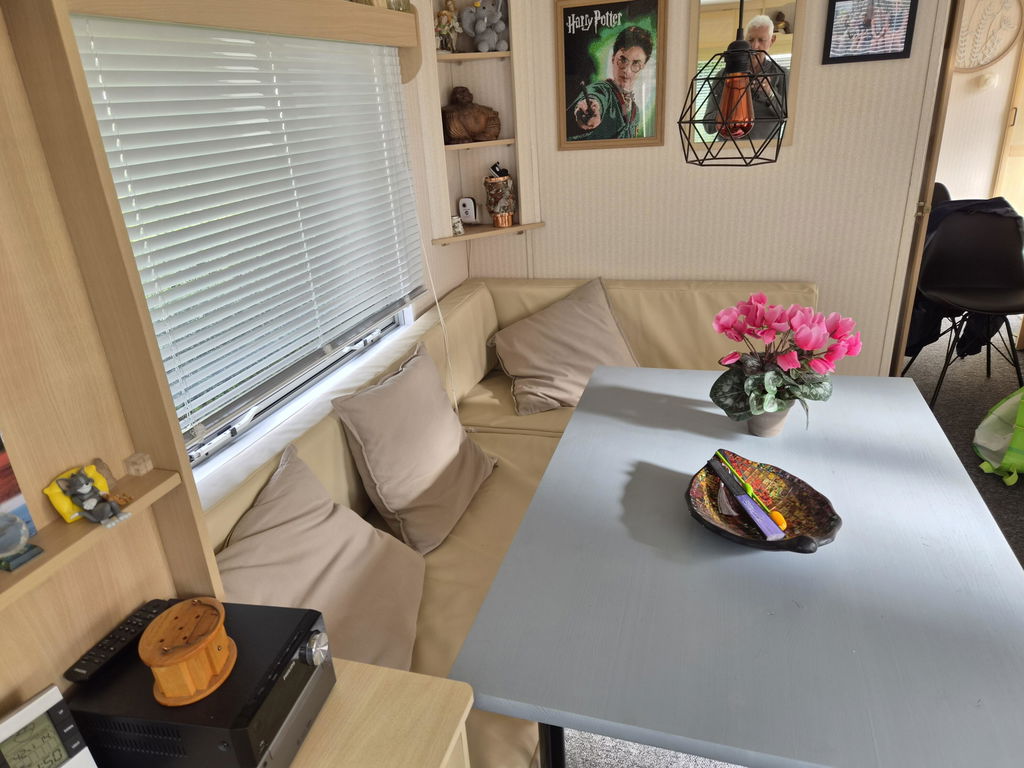

In 2027, a sofa may be visibly lived in again. Not with a fast, fleeting print, but with a fabric that invites you to sit, to feel, and to use for years to come. The furniture fabric trends for 2027 are therefore less about a perfectly styled interior and more about comfort, character, and material choices that hold up in daily life.
For anyone reupholstering a chair, putting together a seating area, or producing furniture for a hospitality business, this is good news. The trend provides space for distinct textures, warm colors, and strong qualities. At the same time, one rule remains: the most beautiful fabric is only the right fabric when it matches the use of the piece of furniture.
Furniture fabric trends 2027: tactile, warm, and personal
The smooth, distant aesthetic is making way for fabrics with relief. Bouclé, chenille, corduroy, and coarsely woven furniture fabrics remain popular, but are taking on a more mature appearance. Think of a softer bouclé with a refined loop, a chenille with subtle color depth, or a coarse weave in which multiple yarns are visible.
That need for tactility is logical. Furniture is used intensively and is increasingly becoming the focal point of calm in an open living space. A fabric with structure immediately gives an armchair or sofa more depth, even when the color remains calm. Moreover, mottled and woven structures often hide small pills, signs of wear, and light stains better than a completely plain, smooth fabric.
That does not mean every chair should be in heavy bouclé. For furniture with many curves, a thick, coarse fabric can be difficult to upholster tightly. For a tightly upholstered chair, a sofa with sharp seams, or a delicate model, a more supple woven fabric or short-pile velvet sometimes works better. The shape of the furniture helps determine which trend fabric is practically feasible.
Soft texture, but with a clear function
Texture may be tangible, but it must also suit the user. In families with children or pets, a low-maintenance, tightly woven quality is often wiser than a very open bouclé. A dense chenille or pet friendly furniture fabric can provide the same warm appearance, with less risk of snagging from nails or sharp objects.
For hospitality, waiting rooms, and other project interiors, durability is even more important. There, a sturdy woven fabric, faux leather, or vinyl is often the smarter choice. The 2027 trend does not ask for fragile materials, but for materials that still look well-maintained after heavy use.
Earth tones are joined by bold accents
Beige, sand, taupe, and greige remain a safe base, but they are becoming less flat. In 2027, we see primarily warm, layered neutrals: oatmeal, clay, mushroom, caramel, and soft tobacco shades. These colors combine easily with wood, natural stone, metal, and existing furniture. They provide tranquility without becoming cold or boring.
In addition, color is returning as a conscious choice. Deep olive green, moss green, rust, wine red, midnight blue, and warm brown give character to a single piece of furniture. An armchair in dark red velvet or a dining bench in green corduroy can give a room more personality than an entire room full of eye-catching elements.
Those in doubt do not have to immediately choose the most outspoken color. A mottled fabric with a base in beige and a subtle green, brown, or rust-colored thread already adds much more depth. It is also wise to view fabric swatches in your own space. Daylight, LED lighting, and the color of the floor can make a shade look completely different than on a screen.
Tone-on-tone remains strong, contrast becomes more refined
A calm tone-on-tone combination remains a reliable choice. A sand-colored sofa with cushions in camel and brown feels warm and cohesive, especially when the fabrics differ in structure. This creates contrast without becoming restless.
Those who want more excitement can work with one dark accent. A light seating area, for example, is strengthened by a dark blue armchair, black furniture legs, or piping in a contrasting color. In 2027, contrast is less about hard color blocks and more about combining material, relief, and nuance.
Choosing sustainably means being satisfied for longer
Sustainability is increasingly being interpreted in a practical way for furniture fabrics. Not only the origin of the material counts, but also its lifespan, maintainability, and the possibility of reusing existing furniture. Reupholstering a quality chair is often a much better choice than buying a new piece of furniture that needs to be replaced after a few years.
Recycled furniture fabrics and qualities with a conscious material composition are therefore gaining ground. Nevertheless, it is wise to look beyond just the label. Also, check whether the fabric is suitable for the application. A beautiful recycled fabric that is too light for an intensively used dining chair is ultimately not a sustainable choice.
When selecting, pay attention to wear resistance, pilling, lightfastness, and cleaning advice. For a sofa in a busy family, these are not technical details, but properties that determine whether the upholstery stays looking good. In a professional application, fire-retardant requirements, colorfastness, and supply reliability also play a major role.
Velvet is becoming less shiny and more natural
Velvet remains present, but is shifting to a softer, matte appearance. Very shiny velvet can look luxurious, but it also emphasizes nap and signs of wear. A matte or slightly mottled velvet feels more modern and forgiving, especially on large surfaces such as a corner sofa.
The power of velvet lies in the combination of comfort and color. Dark shades gain extra depth, while warm neutral colors gain a soft, almost touchable appearance. For a statement chair, velvet is still a strong choice. For a daily-used family sofa, it depends on the quality and the willingness to regularly maintain the fabric with a soft brush in the right nap direction.
Organic shapes call for smart fabric choices
Round sofas, curved backrests, and soft, low armchairs remain influential in 2027. These shapes make an interior friendlier, but they place demands on the upholstery. A fabric must be sufficiently supple to follow curves beautifully without folds, tension, or visible seams disturbing the shape.
With organic furniture, good preparation is essential. Check the stretch of the fabric and take into account the pile direction for velvet and corduroy. The choice of foam, dacron, and under-upholstery also influences the end result. A beautiful furniture fabric only gains real value when the filling is constructed tightly and evenly.
For DIYers, a simple chair with a loose seat is a good project for trying out a trend fabric. Large curved sofas or deep tufted furniture require more experience, tools, and material calculation. In such cases, expert advice beforehand can save a lot of repair work.
Not every trend fits every piece of furniture
The furniture fabric trends of 2027 offer inspiration, not obligation. A minimalist interior might call for a calm, fine weave, while a 70s-style armchair shines in wide corduroy or warm brown velvet. Function also remains a guiding factor: faux leather can be ideal for a dining bench, camper, or hospitality seating, while a soft chenille fits better with a comfortable reading chair.
Therefore, always look at three things before you order: the shape of the furniture, the intensity of use, and the desired atmosphere. Only then should you take color and trend as a starting point. At BLADI Furniture Fabrics, you will find fabrics and upholstery supplies for both small reupholstery jobs and professional custom work, so that you can properly align material and application.
A trend only becomes truly successful when your furniture not only looks beautiful on the first day, but also feels pleasant, strong, and personal after many moments of use. So start by feeling, comparing, and looking at a swatch in your own light. That is often the simplest step toward a choice you will enjoy for years.