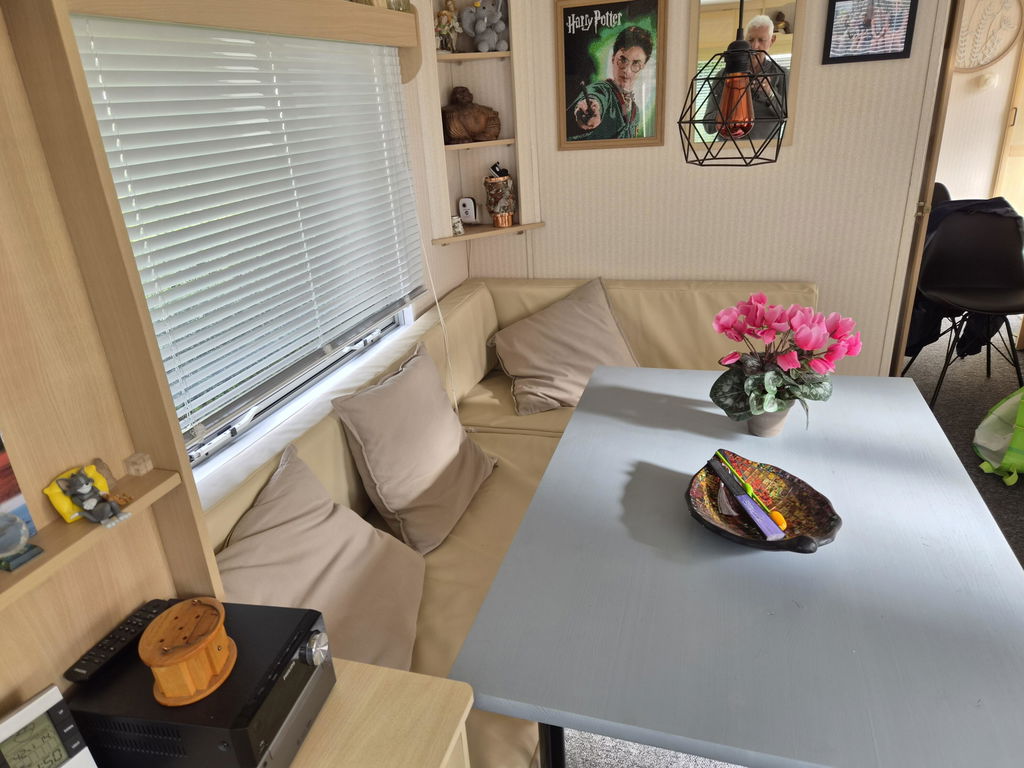

A knocked-over glass, muddy paws or a grease mark on the armrest: removing stains from upholstery fabric is usually possible, as long as you don't reach too quickly for just any cleaning product. The wrong method can turn a small stain into a faded patch, a hardened edge or a ring that stands out even more. The material, the colour and the cause of the stain together determine what is safe.
The upholsterer's golden rule is simple: blot first, then clean gently and never soak. Especially with fixed upholstery, moisture struggles to evaporate evenly from the padding. Working calmly keeps the fabric looking good and extends the life of your sofa, armchair or dining chair.
Look first: what kind of upholstery fabric is it?
Not every upholstery fabric reacts the same way to water, soap or stain remover. A coarse weave can absorb a lot, while velvet is sensitive to pressure marks and changes in the pile. Bouclé has small loops that can be damaged by vigorous rubbing. Faux leather, on the other hand, needs gentle, non-aggressive cleaning, because solvents can dry out or damage the top layer.
So first check your furniture's care label, if it has one. If you see a cleaning code, follow it. W or WS usually means cleaning with water or a suitable water-based product. S generally means water is not recommended and a suitable solvent is needed. With X, vacuuming or professional cleaning is the safest option. Unsure about the composition or code? Always test your method in an inconspicuous spot, for example under a cushion or on the back.
The finish matters too. Water-repellent upholstery fabrics often give you a little more time to blot up spills, but they are not completely stain-proof. Liquid that stays on the surface can still work its way into the fibres. Acting quickly remains the best protection.
Removing stains from upholstery in five calm steps
For most fresh stains, a controlled method works better than lots of product. Use a clean white cloth or kitchen paper. Coloured cloths can transfer dye, especially onto light fabrics.
1. Blot the stain immediately. Press gently from the outside inwards so the stain doesn't spread. Don't rub back and forth.
2. Carefully remove any solid residue with a spoon or blunt knife. With mud, let it dry completely and then vacuum it up.
3. Test a small amount of cleaner in a hidden spot. Let it dry and check for discolouration, rings or changes in texture.
4. Apply the product to a cloth, not directly to the upholstery. Work with little moisture and blot again from the edge towards the centre.
5. Remove any cleaner residue with a second, slightly damp cloth, if the fabric can take it. Then let it air-dry – no hairdryer, radiator or direct sunlight.
It's better to work twice with a little moisture than once too wet. Too much water can draw dirt deeper into the padding. Rings also form more easily when only a small area of the upholstery gets very wet. With a large stain, it can therefore make more sense to treat a larger area very evenly with as little moisture as possible – but only if the material allows it.
Coffee, soft drinks and wine
With drinks, speed is key. Blot up the liquid before it soaks into the fibres. Then, if the fabric allows it, use a slightly damp cloth with a little mild, pH-neutral soap. Finish with a cloth dampened with clean water to remove soap residue.
With red wine, vigorous rubbing is especially risky. Don't use salt as a default fix: it can leave grains in the fabric and doesn't reliably dissolve the pigment. If a shadow is still visible after drying, repeat the gentle treatment rather than going straight to a stronger product.
Grease, oil and cosmetics
A grease stain needs a different approach from a water stain. First blot up as much grease as possible without rubbing. Then, if you like, sprinkle a textile-safe absorbent powder such as cornflour onto the dry stain. Leave it for a few hours and vacuum it off gently.
If a dark edge remains, only choose a fabric cleaner that suits your fabric and its cleaning code. Washing-up liquid seems handy, but it can leave a greasy or soapy residue that attracts dirt again later. For delicate fabrics, velvet or wool-like upholstery, professional cleaning is often the safest option.
Pets, mud and organic stains
First remove hair and dried soil with the vacuum cleaner and a soft upholstery brush. With urine, vomit or other organic stains, treating the visible area isn't enough – you also need to remove the source of the odour. Blot up as much moisture as possible and then use a suitable enzyme cleaner, provided the manufacturer approves it for upholstery fabrics.
Avoid hot water, as it can set proteins even more firmly in the fibres. Let the fabric dry completely before deciding whether a second treatment is needed. A smell that returns after drying often means the padding has also absorbed moisture. In that case, a deep clean by a specialist makes more sense than applying more and more product.
Cleaning faux leather without damaging the top layer
Faux leather is practical for everyday use, but it needs gentle handling. Remove crumbs and dust with a dry, soft cloth. Then wipe with a slightly damp microfibre cloth and, if necessary, a little mild soap. Always dry the surface with a clean cloth.
Don't use acetone, bleach, abrasive products, high-alcohol sprays or aggressive degreasers. They can dull the protective layer, make it sticky or, over time, cause fine cracks. Be careful with disinfectant wipes too: they aren't automatically suitable for faux leather.
With stubborn discolouration, for example from denim or ballpoint pen, it's important to act quickly. First test a dedicated cleaner in an inconspicuous spot. If the colour has penetrated the top layer, it can't always be removed completely. An honest assessment prevents over-intensive cleaning from doing more damage than the original stain.
These common mistakes cause rings and wear
A soaked, soapy sofa is rarely a clean sofa. Too much water is one of the most common causes of rings, odours and long drying times. Vigorous rubbing can also flatten fibres, cause pilling or damage the structure of bouclé and chenille.
Also, don't use an all-purpose cleaner without knowing whether it is suitable for upholstery. Products containing bleach, ammonia or strong fragrances can cause colour differences. Steam cleaners call for caution too: high temperatures and moisture can affect adhesive layers, foam, the backing coating or delicate fibres. On some tough synthetic fabrics steam can work well, but only if the manufacturer explicitly allows it.
Another mistake is sitting on it again too soon. Let the upholstery dry completely, including beneath the surface. Air the room and stand cushions apart so air can circulate around them.
Prevention is easier than repair
Regular care keeps upholstery fabric looking fresh for longer. Vacuum the upholstery weekly with a soft brush nozzle, especially along the seams and between loose cushions. Turn loose seat and back cushions regularly, if the construction allows. That spreads the wear more evenly.
Also protect a new or freshly reupholstered sofa from long periods of direct sunlight. UV light can fade colours, even on high-quality upholstery fabrics. In a household with children or pets, a coarse-woven, water-repellent or pet-friendly fabric is often a practical choice. Not because it never gets dirty, but because everyday care is easier.
If you're reupholstering a piece of furniture, it's worth looking at fabric samples at home first. Light, use and your household are at least as decisive as colour or appearance. BLADI helps DIYers and professionals alike with a wide selection of upholstery fabrics and practical advice on materials.
A stain needn't be a reason to give up on a much-loved piece of furniture. Stay calm, choose a method that suits the fabric and stop as soon as you're unsure. That bit of patience often preserves exactly what you value in your interior: comfort, colour and beautiful upholstery that will last for many more years.